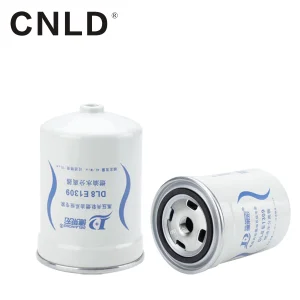
High-efficiency components engineered for critical diagnostic systems, heavy duty engines, and industrial machinery.
In contemporary mechanical design, the traditional passive oil filter has transitioned into a key diagnostic node. With the introduction of custom oil filters with integrated sensor ports, machine telemetry networks can now acquire live pressure, temperature, and contaminant indicators directly from the lubrication loop.
This technological advancement addresses the core concerns of fleet managers and plant operators. By integrating specialized sensor ports directly into the filter cap or base manifold, systems can dynamically sense fluid health indicators without adding auxiliary plumbing risks.
Analyzing the top global entities and leading custom manufacturers in China for smart integrated filtration systems.
| Brand Name | Origin | Key Technology Focus | Customization Speed | Key Industrial Standard Compliance |
|---|---|---|---|---|
| Mann+Hummel | Germany | High-durability plastic housing and complex flow simulations | Standard OEM cycles (12-18 months) | ISO 9001, IATF 16949 |
| Donaldson Company | USA | Synteq synthetic media & heavy-duty heavy equipment sensors | Medium OEM cycles | ISO 14001, ISO 4548 |
| Parker Hannifin | USA | Multi-port sensor arrays and hydraulic diagnostic fittings | Medium-fast adaptation | ISO 19438, SAE J1488 |
| Baldwin Filters | USA | Rugged spin-on adapters and mechanical safety valves | Limited custom configurations | ISO 9001, OEM Standard |
| Wix Filters | USA | Specialized motorsport bypass valve calibrations | Standard commercial cycles | IATF 16949 |
| Zhuochen / Zhejiang Langdi | China | Integrated sensor caps, rapid CAD-based prototyping | Fast track (4-6 weeks prototyping) | IATF 16949, ISO 9001 |
| Weichai Power | China | Filter-engine matching optimization for heavy trucking | Fast implementation for partnered OEMs | IATF 16949 |
| Fawer Automotive | China | OEM systems integration for FAW commercial vehicles | Medium custom cycles | GB/T 24001, IATF 16949 |
| Sinotruk Systems | China | MAN-licensed high pressure structural housing configurations | Optimized for regional fleet demands | ISO 9001 |
| JMC (Jingma Division) | China | Compact space-saving packaging for urban commercial systems | Fast adaptive design modifications | IATF 16949 |
This comparative overview highlights a clear market dynamic: Western manufacturers like Mann+Hummel and Parker Hannifin provide excellent baseline engineering and established standards. However, Chinese manufacturers, particularly Zhuochen / Zhejiang Langdi and Weichai, offer a significant advantage in customization speed and responsive technical support, allowing engine developers to go from design review to physical pilot testing in a fraction of the time.
Explore the engineering constraints, threading standards, and sealing configurations required for high-vibration engine environments.
Integrating a sensor port requires precise structural calculation of wall thickness. Custom housings are engineered with specialized ports matching global instrumentation standards:
Because oil loops operate up to 150°C and experience rapid pressure fluctuations up to 10+ bar, the port boss must prevent micro-leaks. Common integrations feature:
Adding a port should not disrupt fluid velocity or create pockets of turbulent flow. Advanced CAD design:
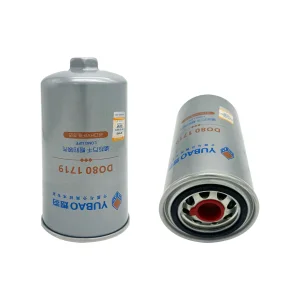
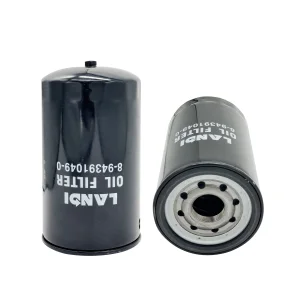
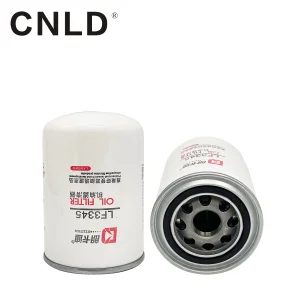
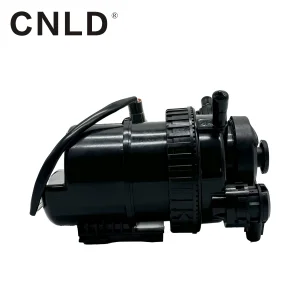
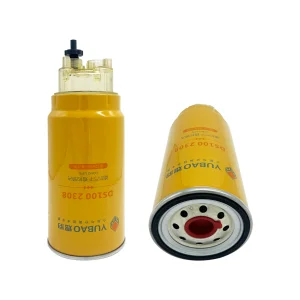
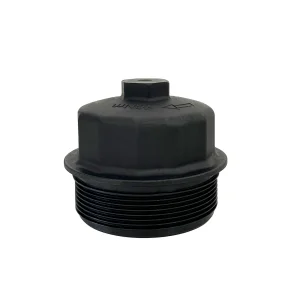
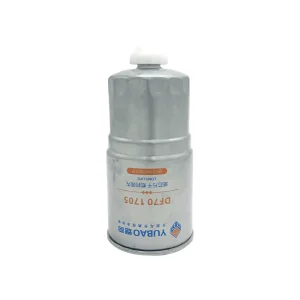
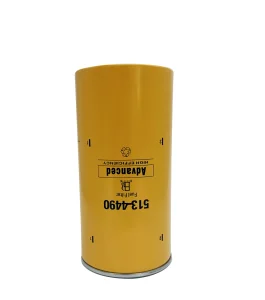
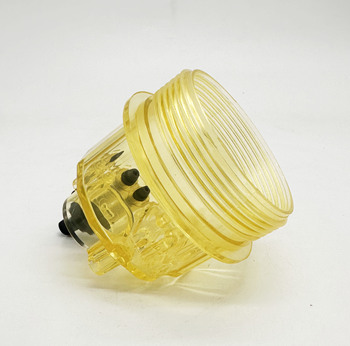
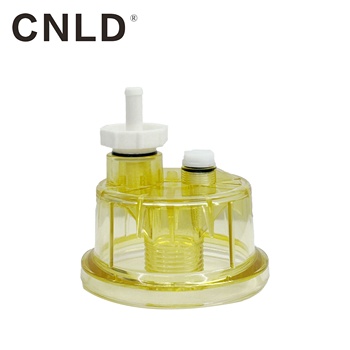
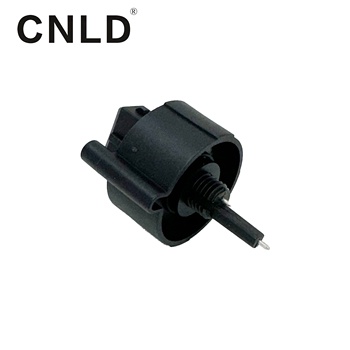
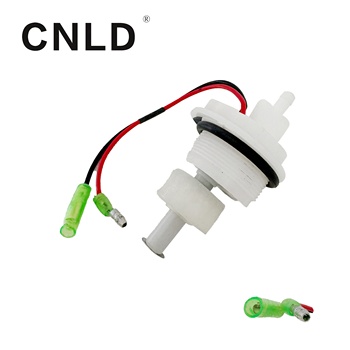
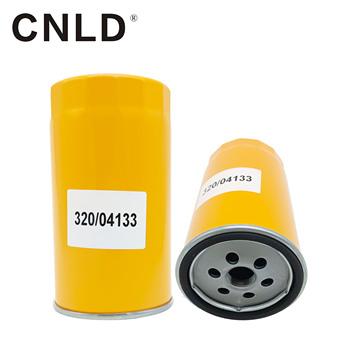
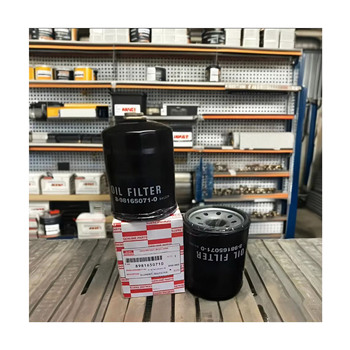
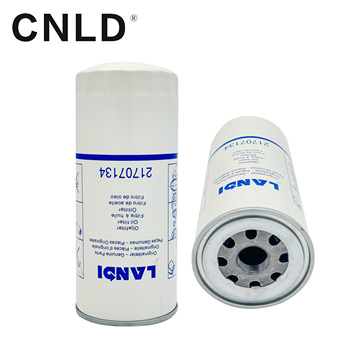
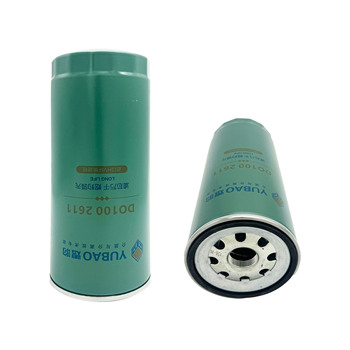
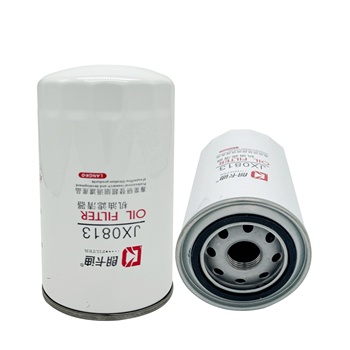
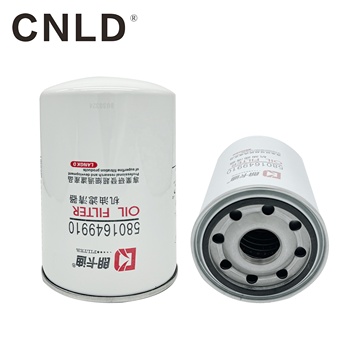
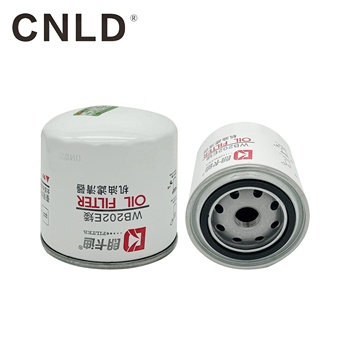
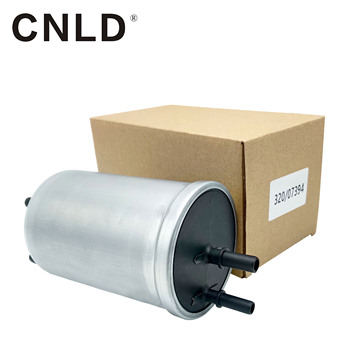
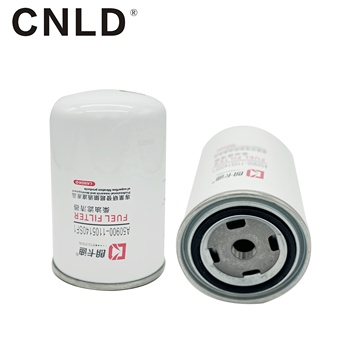
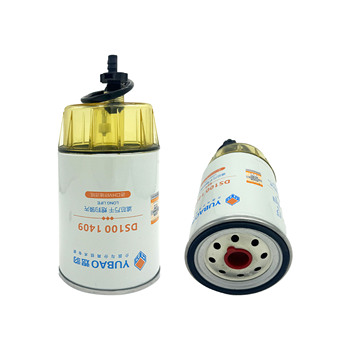
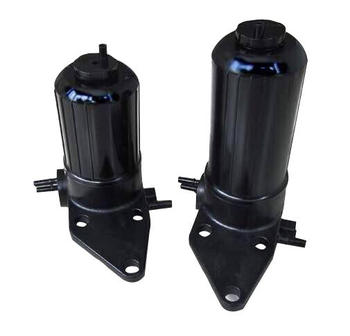
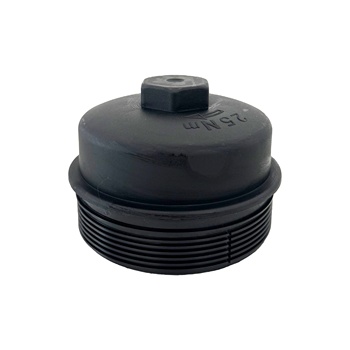
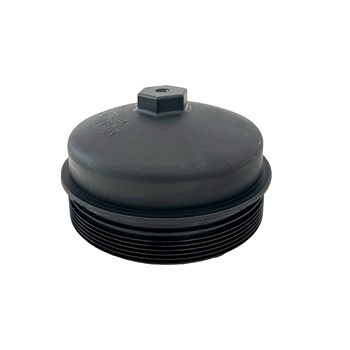
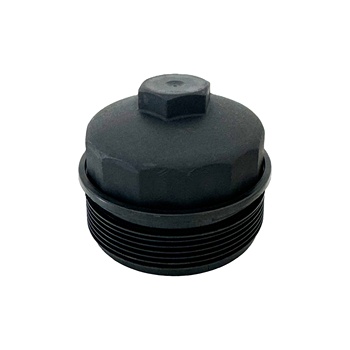
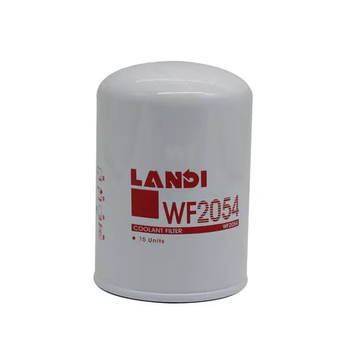
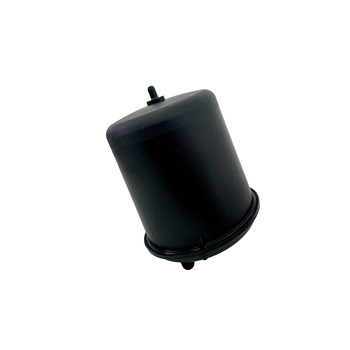
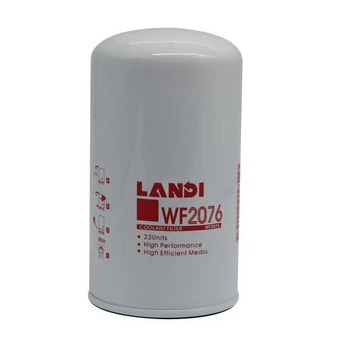
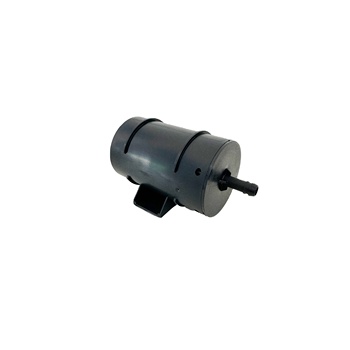
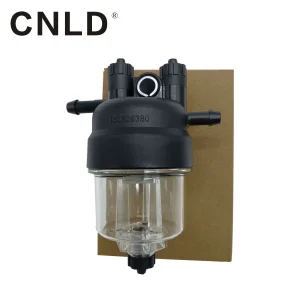
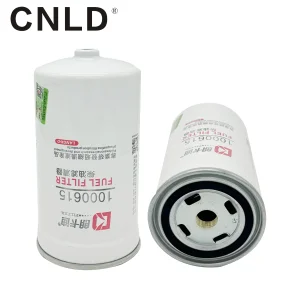
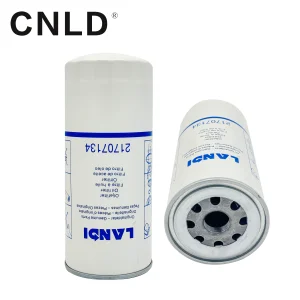
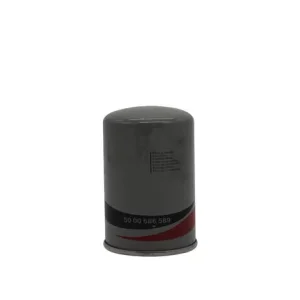
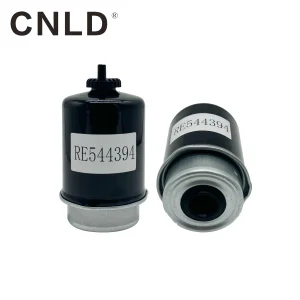
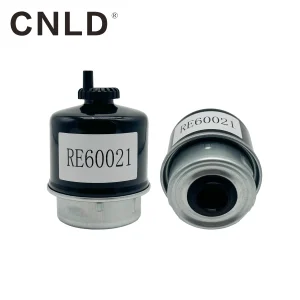
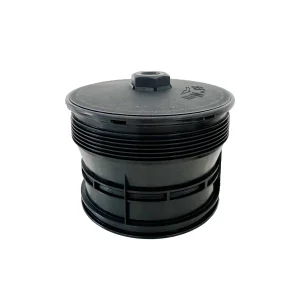
Direct view of standard assemblies, plastic sensor bowls, and filter covers from our production line.
The roadmap toward predictive maintenance, smart diagnostics, and dynamic filter telemetry.
The industrial world is moving away from scheduled filter replacement cycles. Waiting for static milestones (like 500 operating hours) often results in either premature replacement or running on a clogged filter. Modern telemetry architectures solve this by utilizing real-time differential pressure (DP) analytics.
By positioning sensors on both the clean and dirty sides of the filter housing, the telematics unit can continuously track pressure drops under varied thermal and engine load states. When DP reaches a critical limit, the onboard diagnostics prompt the operator, preventing bypass valve activation and downstream contamination.
Standard cellulose filter elements struggle when paired with modern fully synthetic oils and long drain intervals. Leading custom manufacturers are utilizing multi-layered synthetic microglass or nano-fiber media. These materials maintain structural integrity under persistent high thermal stress while delivering high dirt-holding capacities.
Where custom sensor-port filtration systems are deployed to protect critical equipment.
Long-haul trucks, including designs powered by Scania, Cummins, and FAW platforms, utilize integrated pressure and water-in-fuel (WIF) sensors to protect common-rail fuel injection systems. These sensors allow fleet management networks to optimize service stops and prevent unexpected downtime.
Excavators and loaders operating in harsh, dusty environments require constant differential pressure monitoring. Integrated sensor ports allow real-time diagnostic systems to detect filter element collapse or bypass valve activation before dust enters the engine block.
Critical diesel generators in hospital back-ups or data centers must guarantee start-on-demand reliability. Dynamic sensor ports track oil quality indicators continuously, ensuring safety systems remain operational without the need for manual inspection.
The technological shift from passive filtration components to intelligent diagnostic units.
Modern filtration design has evolved to support multi-sensor arrays. By optimizing the filter manifold, a single port base can house sensors tracking pressure, temperature, and electrical conductivity simultaneously. This allows engineers to measure dynamic oil viscosity indicators without adding multiple fittings.
Looking toward 2030, the integration of wireless communication loops and RFID tag verification will prevent error-prone element matching. By integrating NFC or RFID chips directly into the filter element, the engine control unit (ECU) can automatically verify the media matches performance specifications before startup, while also tracking its remaining operating life.
Advanced engineering resources and verified production infrastructure supporting OEM custom requirements.
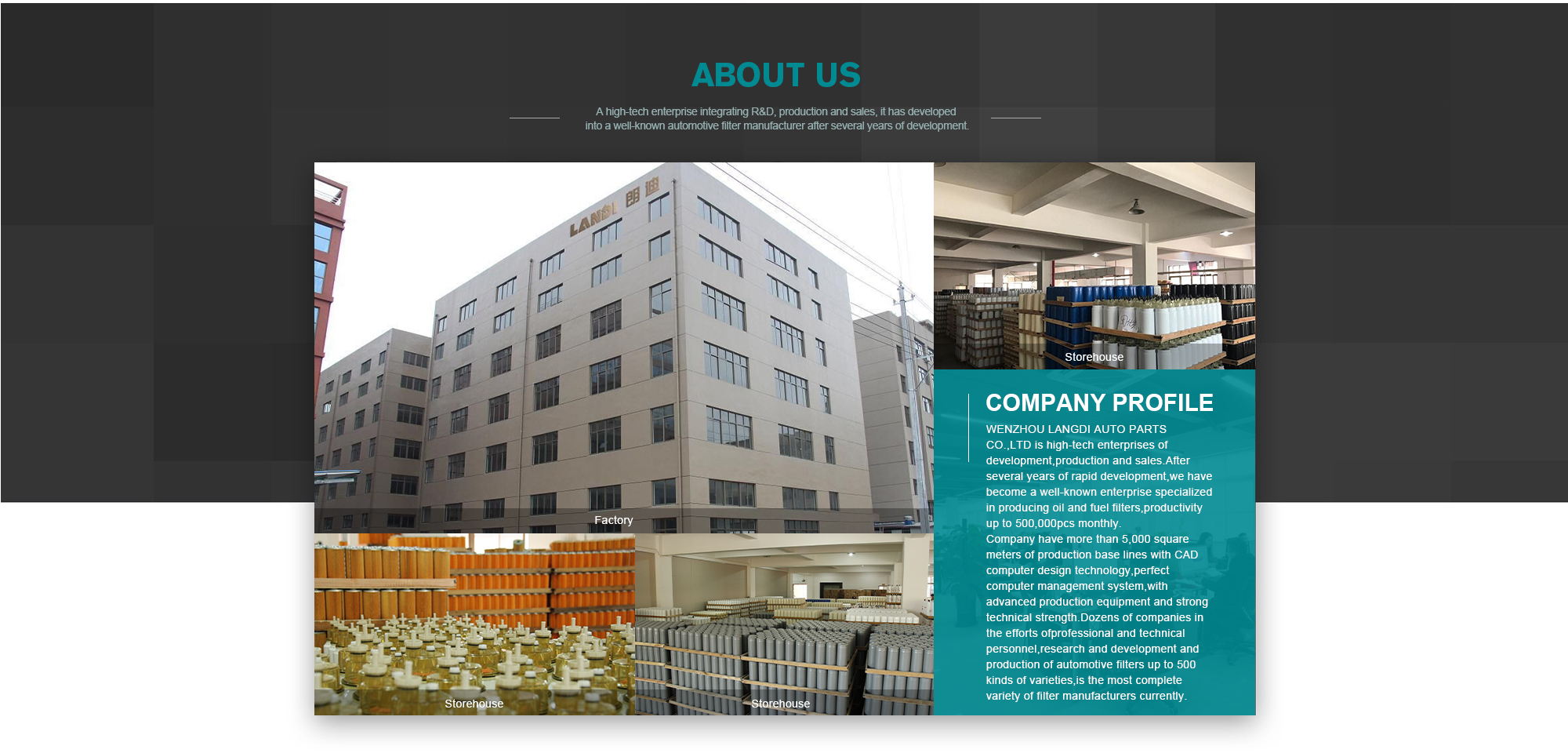
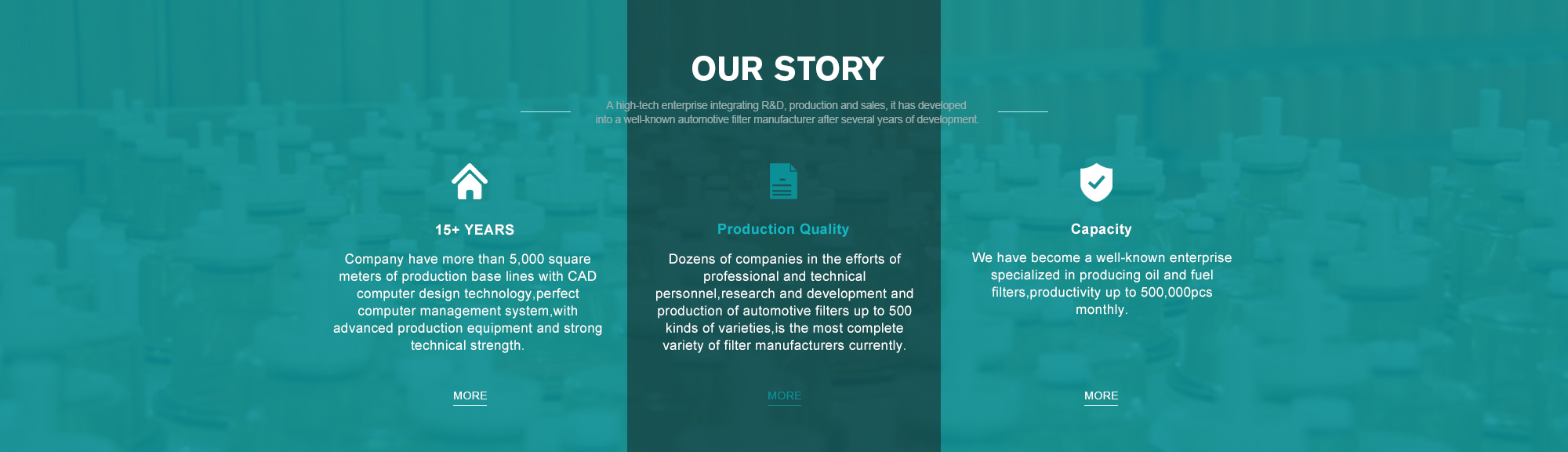
Our production facility covers over 5,000 square meters and is equipped with advanced CAD computer design capabilities. The integration of advanced computer management networks and automated machinery allows us to adapt filter port layouts to unique customer requirements with high efficiency.
Whether developing dynamic high-volume spin-on assemblies, specialized plastic bowls, or heavy truck housing plates, we ensure every batch meets strict performance standards. By carrying out complete raw material tests and fluid dynamic flow simulations, we minimize pressure drop risks before tooling begins.

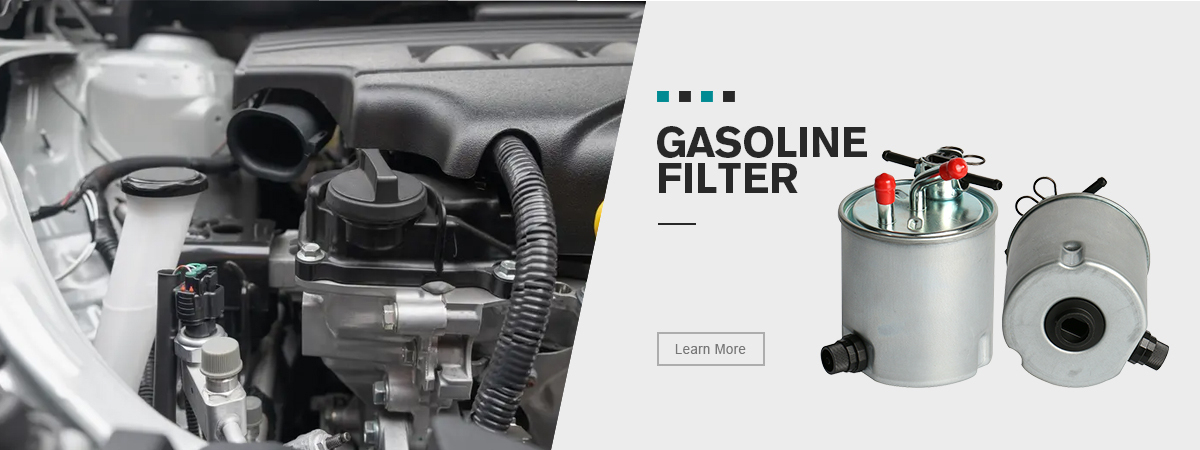
We operate a versatile production base lines specializing in: Fuel filters, Oil filters, Hydraulic filters, and Plastic assemblies. We support global trade with flexible payment structures and verified onsite quality compliance checks.
Common questions from engineering, logistics, and supply chain managers regarding custom smart filtration systems.
Further industrial-grade oil elements, separation assemblies, and truck system components.
 Zhuochen