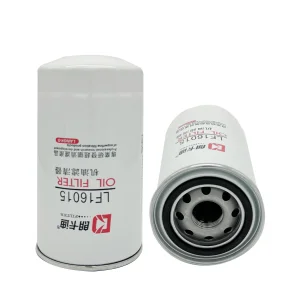
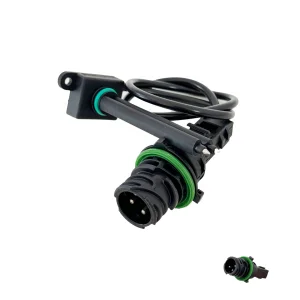
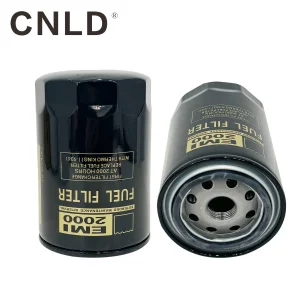
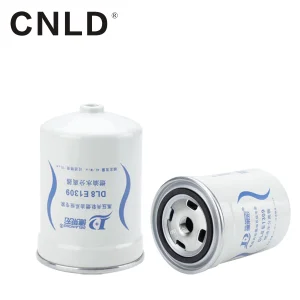
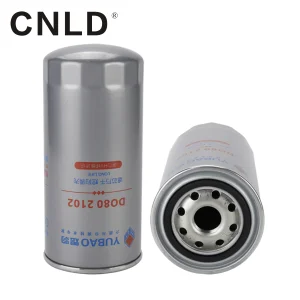
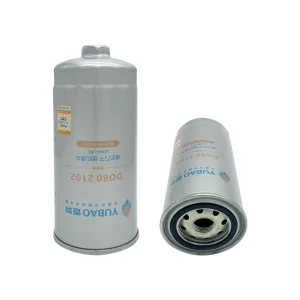
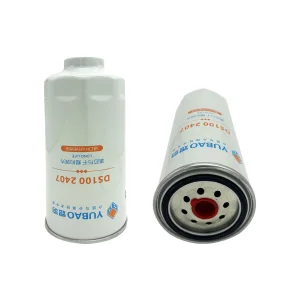
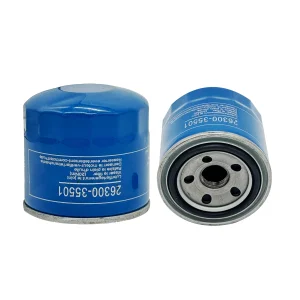
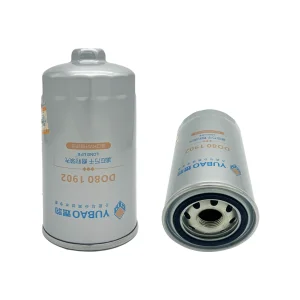
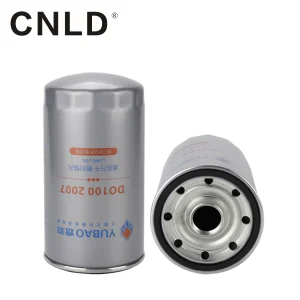
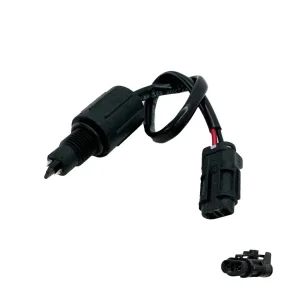
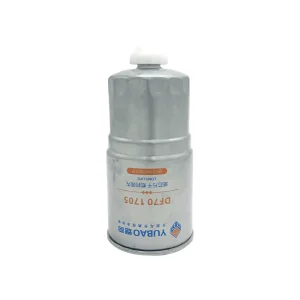
In the modern automotive and commercial vehicle manufacturing ecosystems, the demand for precision-engineered plastic fluid reservoirs, specifically custom automotive plastic oil cups and water separator bowls, has escalated. These components, positioned under extreme engine hood temperatures, must endure rigorous environmental and chemistry variables, including thermal cycles, pressure variations, bio-diesel blends, and dynamic vehicle vibration profiles.
Sourcing departments at OEMs (Original Equipment Manufacturers) and Tier-1 automotive parts providers require reliable Chinese supply chain configurations that satisfy strict testing profiles. A reliable manufacturing partner is expected to exhibit not only structural plastics competencies but also advanced validation capabilities.
Fluid reservoirs must endure continuous fluid pressure waves and continuous vibrational stress cycles without exhibiting micro-fractures, crack propagation, or weld line separation.
Usage of glass-fiber reinforced PA66 (PA66-GF30, PA66-GF35) provides exceptional mechanical stiffness, high heat deflection temperatures, and superior dimensional stability.
Polymers must remain chemically inert when in direct contact with mineral oils, synthetic lubricants, heavy diesel, bio-diesels, and aggressive water-emulsion mixtures.
The selection of raw materials dictates the operational life expectancy of an automotive plastic oil cup or separator bowl. Under-hood configurations expose components to temperatures exceeding 120°C in proximity to aggressive lubricating fluids.
We apply advanced compound formulations utilizing glass-fiber reinforcement. The addition of glass fibers (typically 30% to 35%) improves tensile strength, limits thermal expansion, and minimizes dimensional change under load.
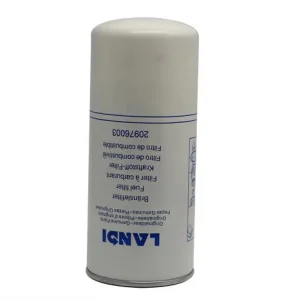
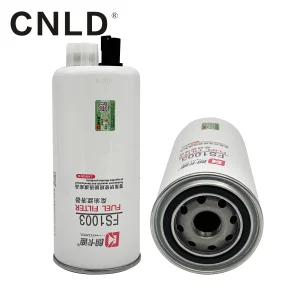
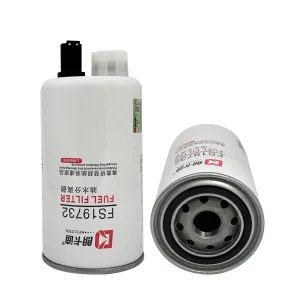
For components requiring transparent inspection capabilities—such as fuel-water separator bowls (e.g., PL420 series, FS19816 series)—we employ specialty high-clarity amorphous polymers that maintain optical transparency without suffering stress-cracking when exposed to diesel additives and moisture.
| Polymer Type | Tensile Strength | Max Temp limit | Chemical Resistance |
|---|---|---|---|
| PA66-GF30 | 175 MPa | 140°C | Excellent (Oils, Fuels) |
| PA12 | 60 MPa | 110°C | High (Hydrocarbons) |
| High-Clarity PC | 70 MPa | 125°C | Moderate (Stress Risk) |
| Specialty Amorphous | 85 MPa | 130°C | Outstanding (Bio-Diesel) |
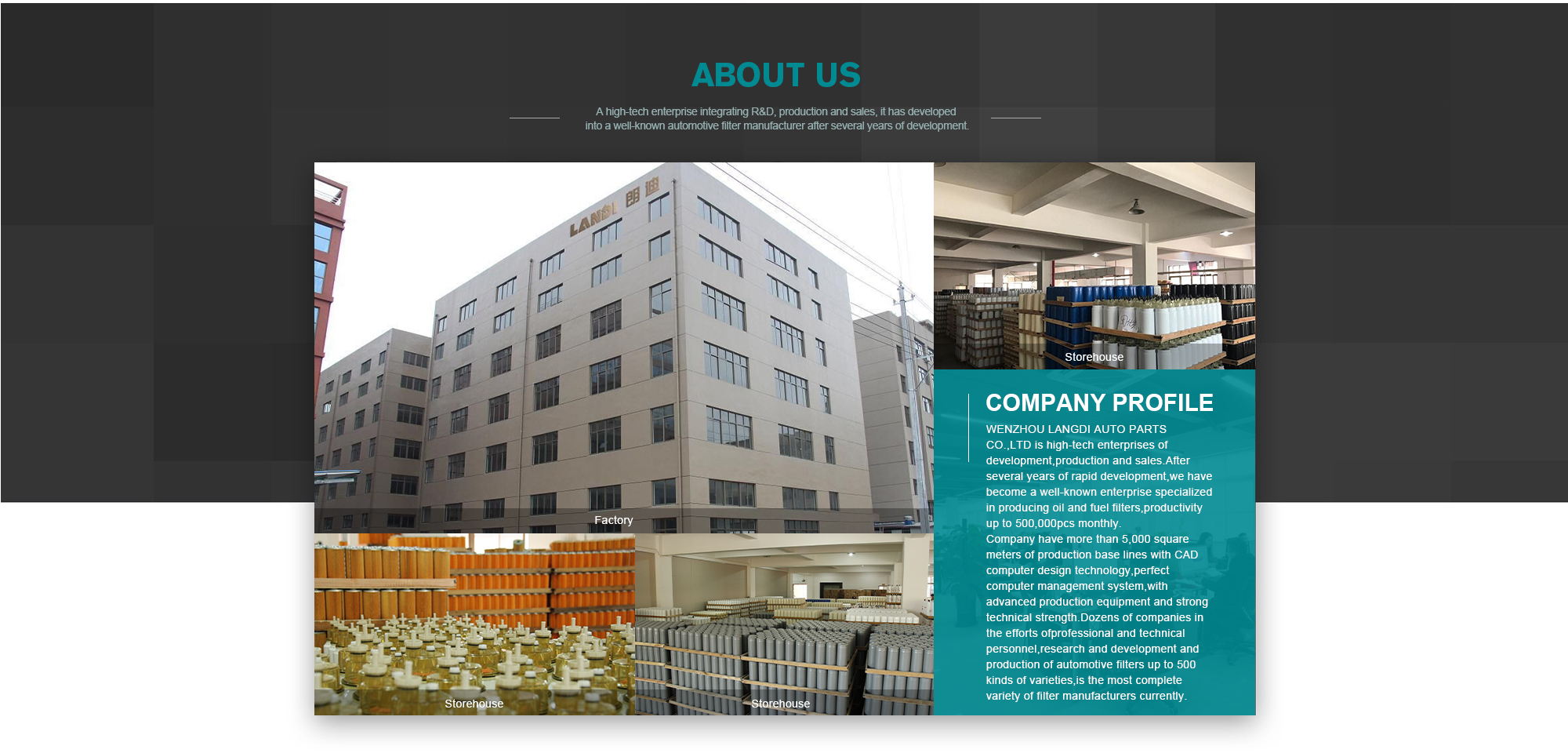
Our production infrastructure incorporates advanced mechanical engineering capabilities. Spanning a 5,000 square meters production base, our facilities are optimized for complex multi-cavity injection molding projects.
Utilizing advanced CAD computer design technology and Finite Element Analysis (FEA), we predict plastic shrinkage, optimize weld line positioning, and model structural pressure limits before tooling creation. This limits structural vulnerabilities, yielding components capable of surviving harsh pressure cycles.
Our structured development flow ensures customized polymer products satisfy automotive certification standards before deployment.
Customer-supplied design drawings (STEP/IGES formats) undergo structural validation. We execute Moldflow simulation to analyze shear stress, orientation of fibers, cooling profiles, and potential weld line vulnerabilities.
Hardened tool steel (H13 or S136) is CNC machined for mold production. First-article samples are molded under controlled process parameters, measuring dimensional accuracy against 2D tolerances.
Parts undergo performance verification including high-temperature burst pressure, thermal shock cycles (-40°C to +135°C), long-term oil-submersion testing, and vibration testing on multi-axis test rigs.
Following validation sign-off, automated molding cells produce components under strict parameter monitoring. Every batch is tracked using detailed labeling back to the raw material lot number.
Custom plastic oil cups, water separator housings, and oil filtration modules are utilized across light and heavy transport sectors.
Compatible with commercial vehicle platforms including HOWO, Shacman, Scania, Volvo, Iveco, and DAF. Designed to resist long-haul high-vibration engine environments.
Engineered for excavators (Hyundai, JCB) and agricultural machinery operating under variable pressures and dust-heavy field environments.
Designed for light commercial vehicles, pickup trucks, and passenger platforms (Hyundai, KIA) requiring weight reduction and compact packaging layouts.
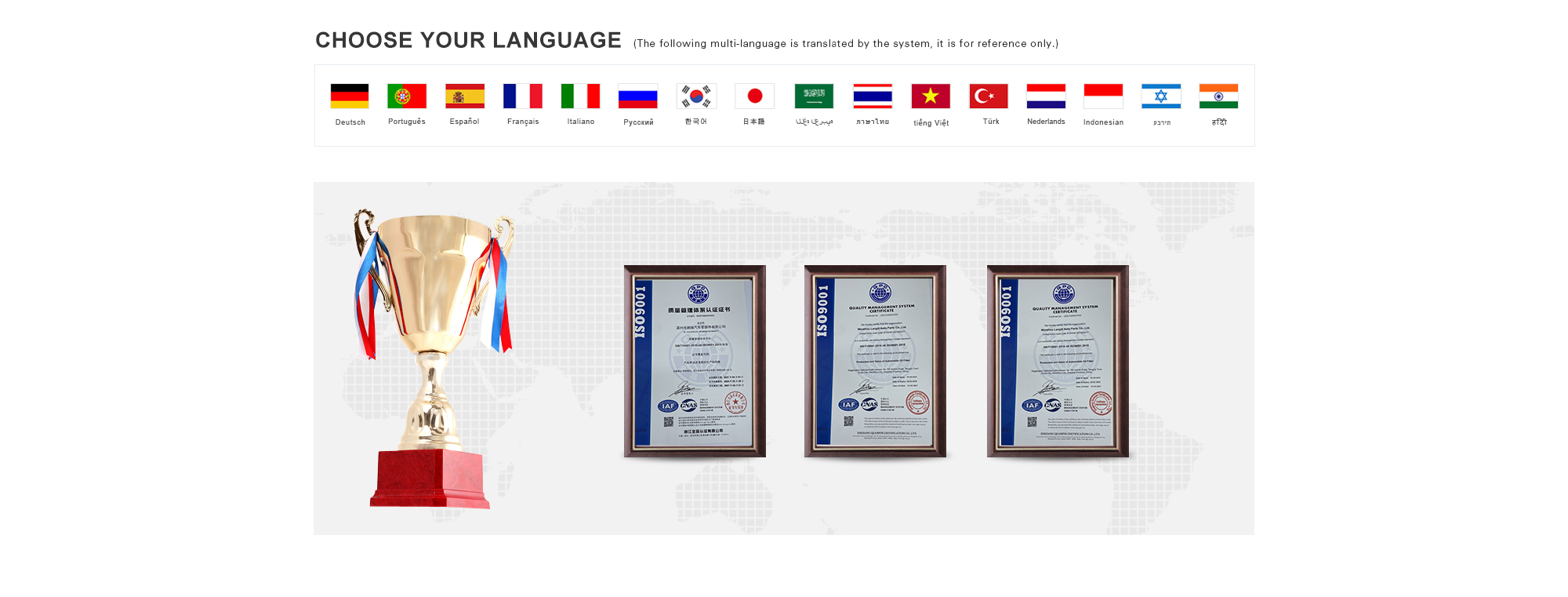
Operating within the automotive sector demands adherence to strict safety and chemical rules. Our quality management system covers all stages of production.
Our products comply with relevant RoHS and REACH standards, ensuring the elimination of hazardous substances from our plastic compounds. Every material batch is accompanied by a certificate of analysis (COA) mapping physical properties.
We leverage onsite check verifications and third-party validation processes to verify the manufacturing capabilities of our Zhejiang-based production lines. We support multiple commercial arrangements including T/T, L/C, D/P, and Escrow, and maintain logistical partnerships to ensure safe transport to Europe, North America, Southeast Asia, and the Middle East.
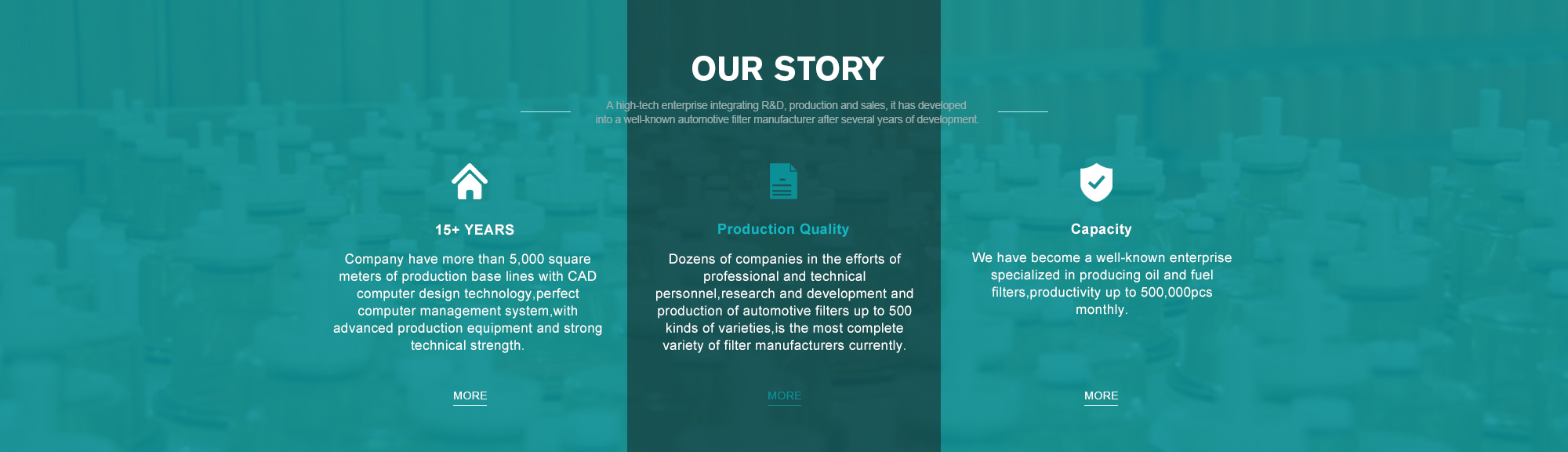

Established in 2014, we design and manufacture fuel filters, oil filters, hydraulic filters, and custom plastic assemblies. Our 5,000 square meters production base combines modern CAD computer technologies with an experienced engineering team.
We offer customized production lines tailored to European, American, and Asian commercial vehicle standards. Our materials undergo strict testing, and our manufacturing facilities are open to third-party audits.
 Zhuochen