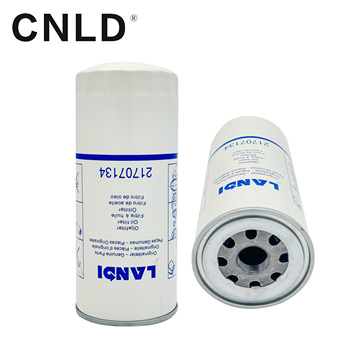
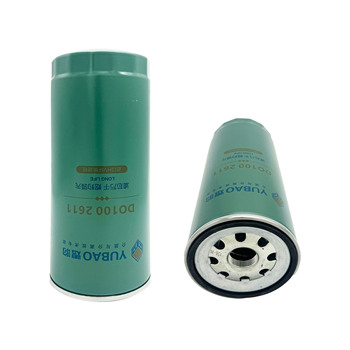
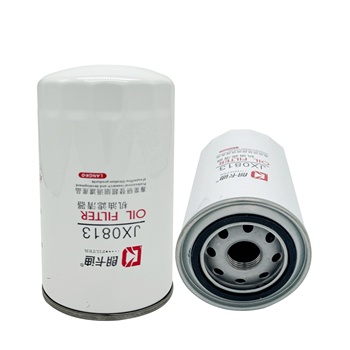
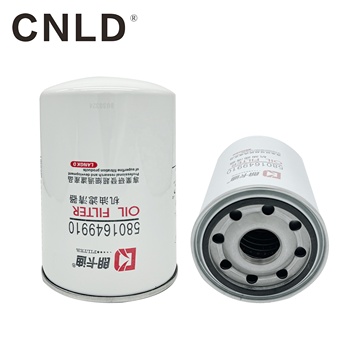
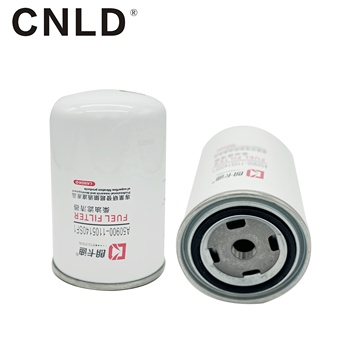
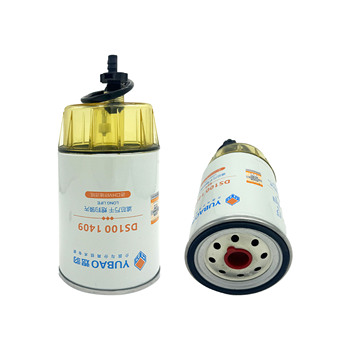
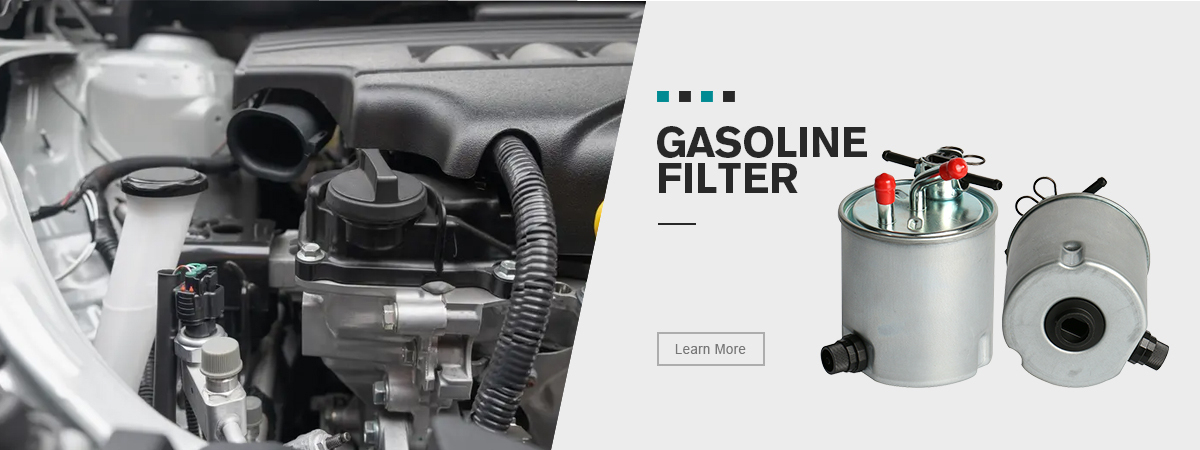
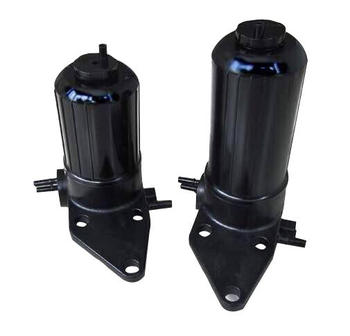
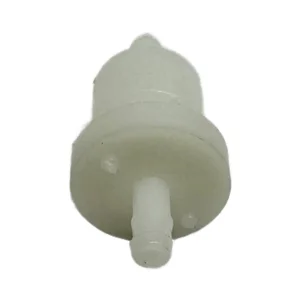
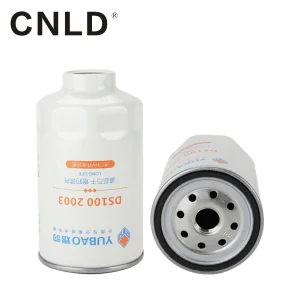
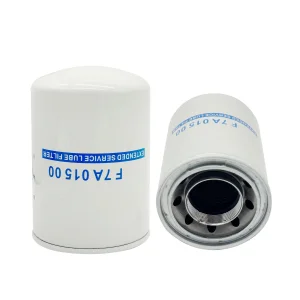
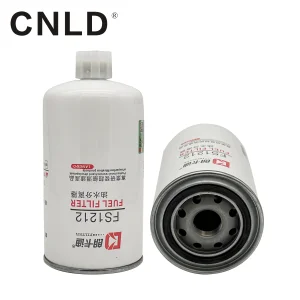
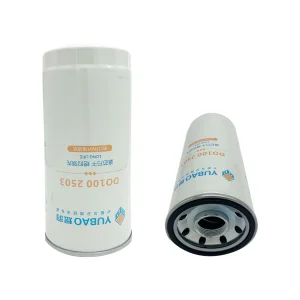
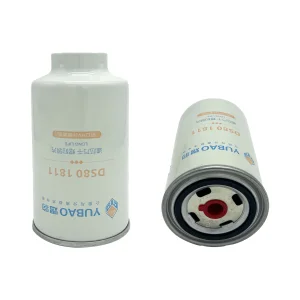
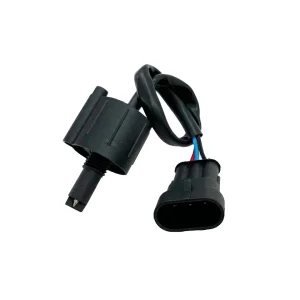
Direct manufacturer-source components engineered to exact CAD drawings, certified to meet international automotive and heavy machinery specifications.
In modern industrial applications, filtration is not merely a consumable maintenance item—it is the first line of defense for millions of dollars of heavy machinery and engine systems. From multi-megawatt generator stations utilizing heavy diesel fuel filters to high-performance heavy-duty transport vehicles, custom filter elements require accurate, high-fidelity blueprints prior to production. This is where Computer-Aided Design (CAD) models change the paradigm of fluid filtration manufacturing.
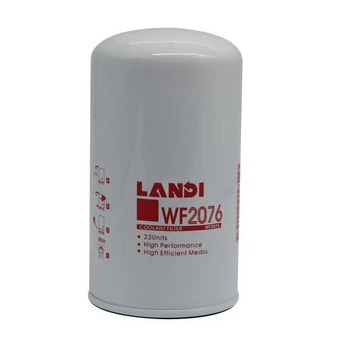
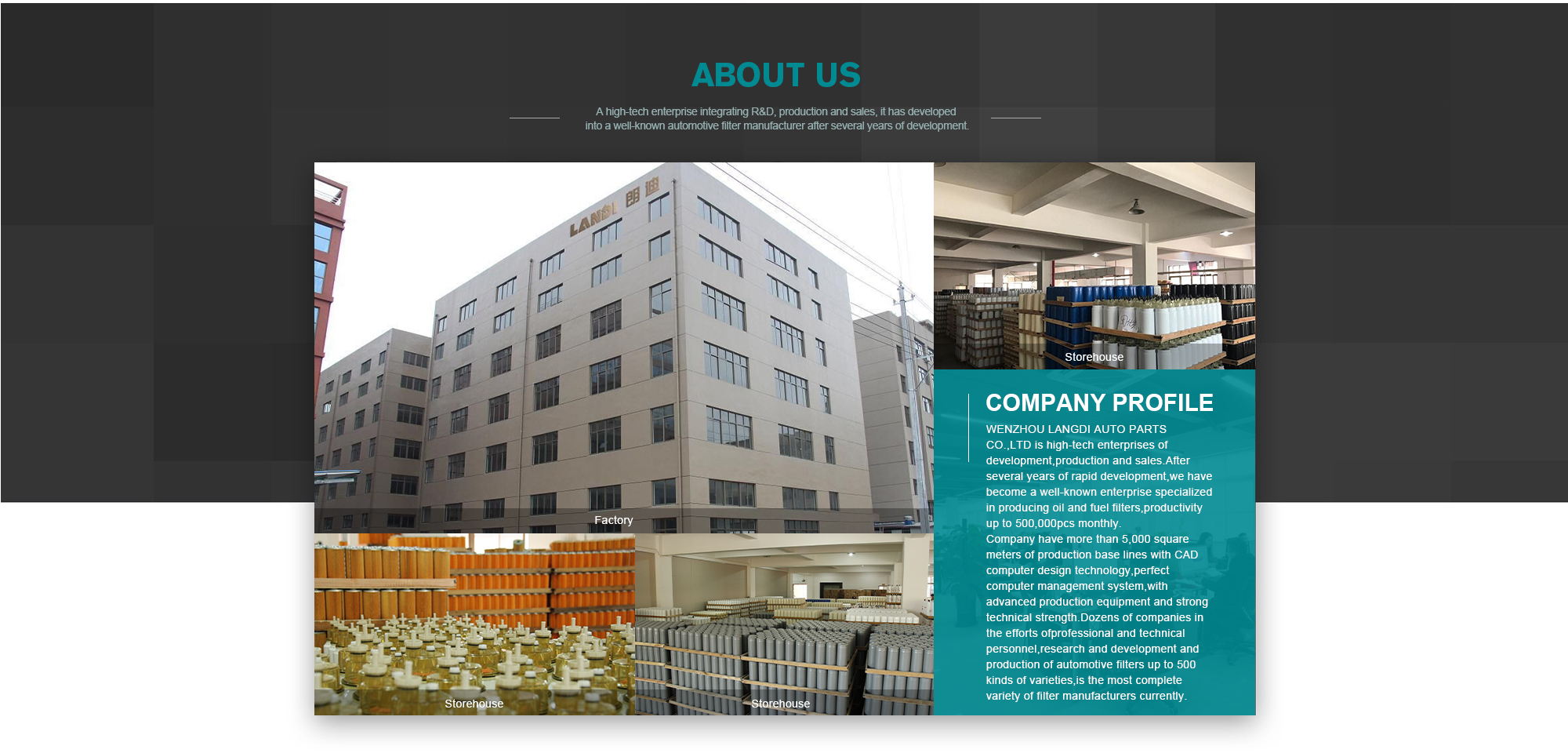
Our company leverages over 5,000 square meters of specialized production base lines equipped with state-of-the-art CAD design systems. Translating engineering schematics, housing dimensional limits, and mechanical tolerances into stable physical element geometries ensures compatibility with high-velocity flows, extreme vibration profiles, and chemical erosion factors. Designing with CAD guarantees optimized media pleat spacing, precise bypass valve calibration, and reliable micro-level structural integrity.
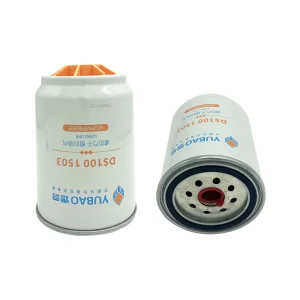
By leveraging automated parametric 3D models, we can simulate fluid pressure drops and bypass valve opening pressures before manufacturing physical tooling. This process significantly decreases design feedback loops for global heavy machinery distributors. Whether customizing complex diesel engine oil filters or multi-stage fuel separators, our CAD framework minimizes dimensional drift to deliver reliable filtration components.
By defining key parametric dimensions—such as filter diameter, height, internal bypass thread size, and pleat count—our engineers can quickly generate robust customized designs for new heavy vehicle power plants.
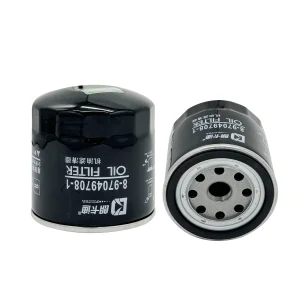
Utilizing high-grade steel, resilient polyurethane seals, and premium glass fiber media guarantees that each component matches standard OEM performance, ensuring consistency during supply chain disruptions.
All customized element drawings undergo computational testing before entering the shop floor. Structural tests are conducted to evaluate filter media collapse resilience under heavy contamination and pressure spikes.
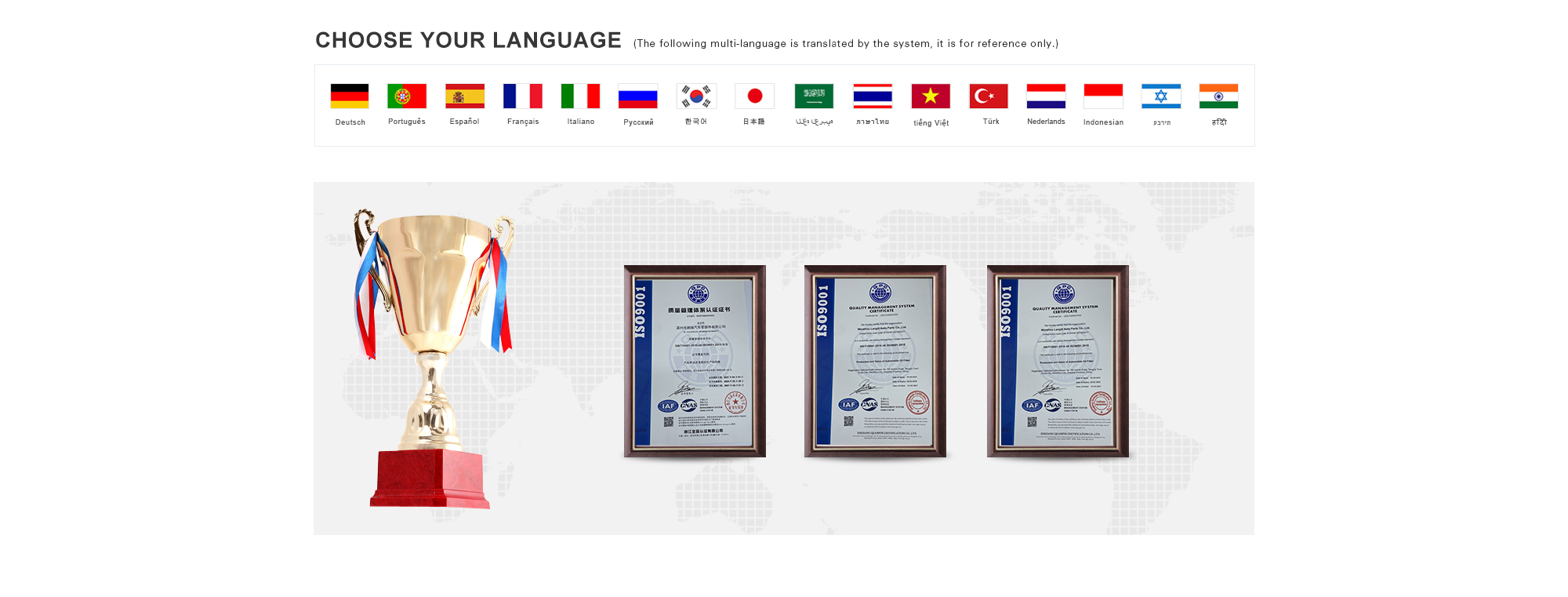
In the wake of shifting macroeconomic dynamics, global procurement managers demand shorter development cycles, high quality standards, and secure supply lines. The combination of local material availability in Zhejiang, China, and advanced digital CAD technology enables us to deliver reliable industrial products efficiently.
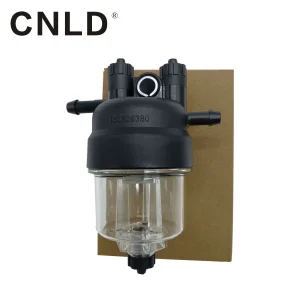
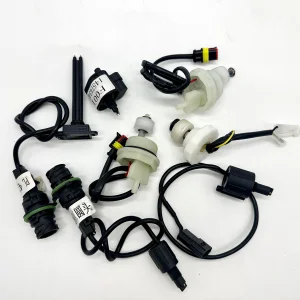
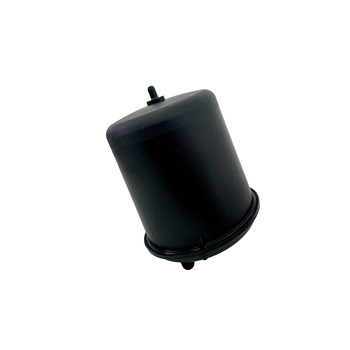
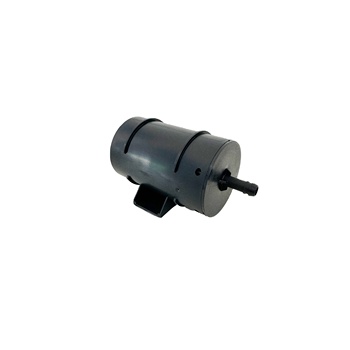
By connecting CAD files directly with computerized cutting systems, pleating stations, and injection molding machinery, our production line reduces manual configuration errors. This direct-from-digital system guarantees that whether you order a run of specialized fuel pressure sensors or custom fuel separator assemblies, the finished products will match original equipment parameters.
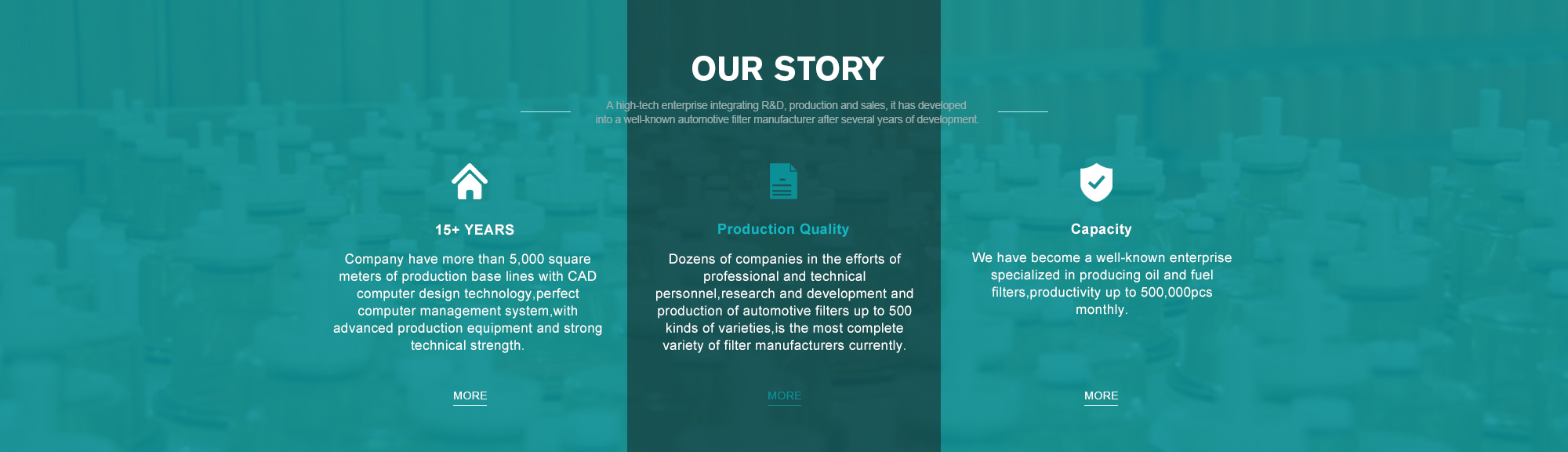
This automated digital ecosystem enables our manufacturing base to accommodate complex custom assemblies and high-volume wholesale requirements alike. This allows us to supply key vehicle replacement components to customers in Southeast Asia, the Middle East, Africa, and North America.
In customized engine filtration design, managing fuel viscosity variations, water emulsification levels, and high-velocity oil flow represents a continuous engineering challenge. Our CAD drawings address these factors by optimizing the interior pleat count, fluid bypass dynamics, and end-cap seal configurations.
Standard automotive and truck engines require reliable particulate containment at the single-digit micron scale. Meeting this requirement calls for advanced, computerized layout designs. Our CAD systems calculate the necessary active surface area of the filter media, ensuring that replacement elements match OEM system specifications for pressure drop and service life.

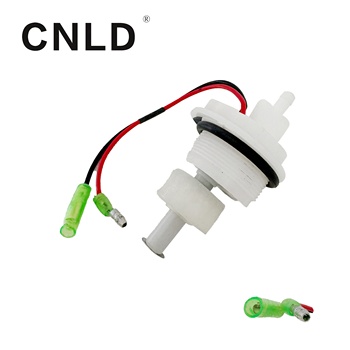
Furthermore, integrating sensors (such as water-in-fuel indicators or lubrication oil pressure switches) requires precision engineering. Our CAD designs specify exact sensor fitting sizes, thread pitches, and sealing surfaces to prevent fuel leaks, starting issues, and engine damage.
Standard engineering specifications for our custom-manufactured filter elements.
| Filter Element Type | Common Materials | Filtration Efficiency Rating | Target Applications |
|---|---|---|---|
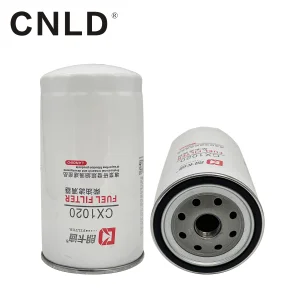
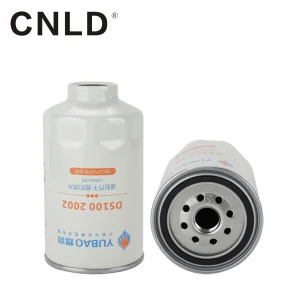
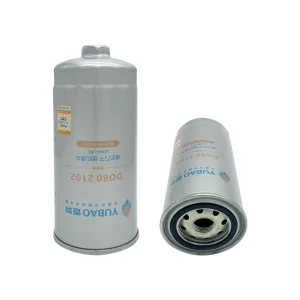
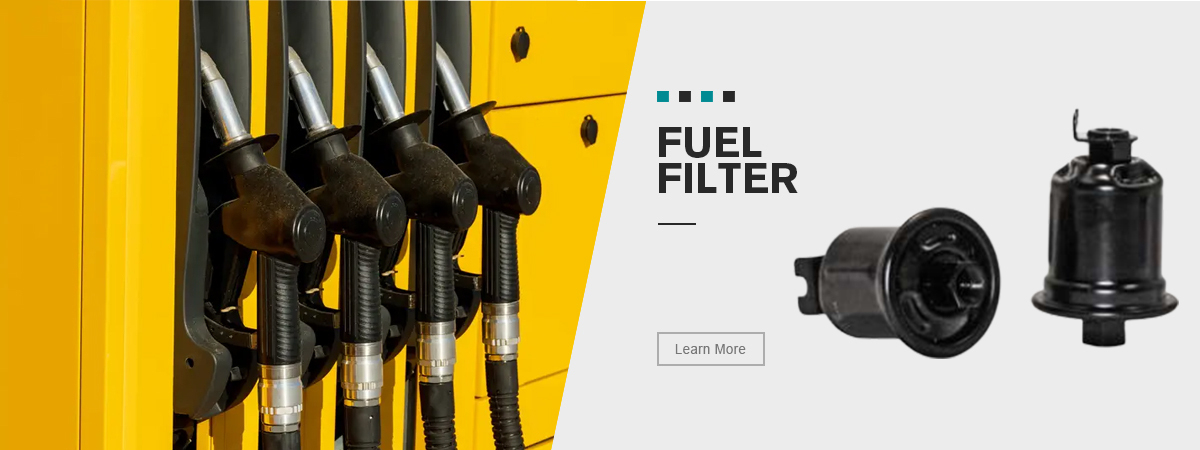
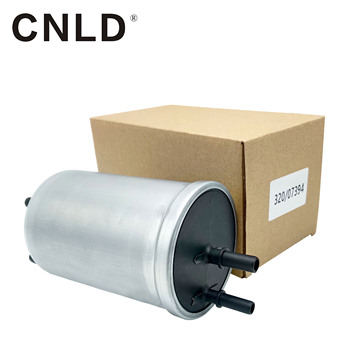
| Custom Diesel Fuel Filter | Cellulose/Synthetic Fibers | 99.8% @ 5-10 microns | Heavy Machinery, Generators, Commercial Trucks |
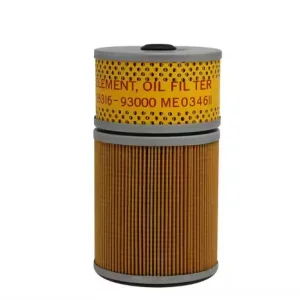
| Hydraulic Oil Element | Glass Fiber / Stainless Mesh | Beta ratio ≥ 1000 @ 4 microns | Excavators, Cranes, Industrial Pistons |
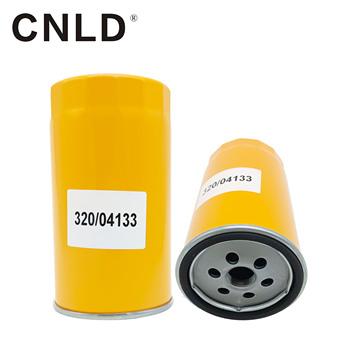
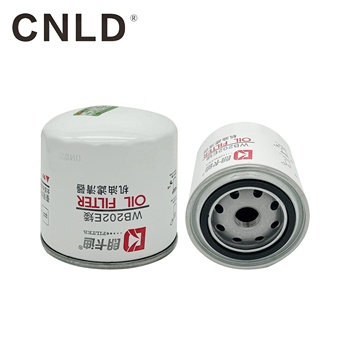
| Lube Oil Spin-on | Synthetic Blends & Steel Case | 98.5% @ 15 microns | Commercial Fleets, Excavator Loaders |
| Fuel Water Separator | Hydrophobic Coalescent Media | Water Separation ≥ 95% | Marine Engines, Heavy Duty Engines |
Founded in 2014, the company features more than 5,000 square meters of production base lines equipped with CAD computer design technology, an integrated computerized management system, advanced production machinery, and experienced technical engineers.
Manufacturer & Trading Enterprise
Zhejiang, China
Fuel filters, Oil filters, Hydraulic elements, Plastic assemblies
Southeast Asia, Middle East, Africa, North America
Review answers to frequently asked engineering, manufacturing, and logistics questions.
Yes. Our engineering department works with standard 2D and 3D files (including DWG, DXF, STP, STEP, and IGS). When manufacturing to custom elements, our engineers review these drawings against production machine tolerances to ensure consistency.
Once design specifications are confirmed, custom tooling and initial prototypes are typically completed within 10 to 15 days. Mass production lead times depend on volume, generally averaging 25 to 35 days from prototype approval.
Yes, we offer complete OEM/ODM options. We can print custom branding, logos, part numbers, and tracking barcodes directly onto the element housings, end-caps, and retail packaging according to customer design assets.
Our quality control process aligns with standard international filtration testing procedures, including ISO 16889 (multi-pass method to evaluate filtration beta ratio), ISO 2941 (media collapse resistance testing), and ISO 2942 (bubble-point testing to verify element manufacturing integrity).
Browse our range of heavy-duty replacement filter elements, built to standard dimensional and structural specifications.
 Zhuochen